
Cash Flow
Periodic distributions
Laager investments are generally structured to make quarterly distributions from available operating cash flow. Actual timing and amounts depend on property performance and the terms of the offering.
A real estate syndication allows investors to participate in professionally sponsored properties without taking on day-to-day operating responsibility. The sponsor sources, acquires, finances and manages the investment; limited partners provide capital and participate in the economics.
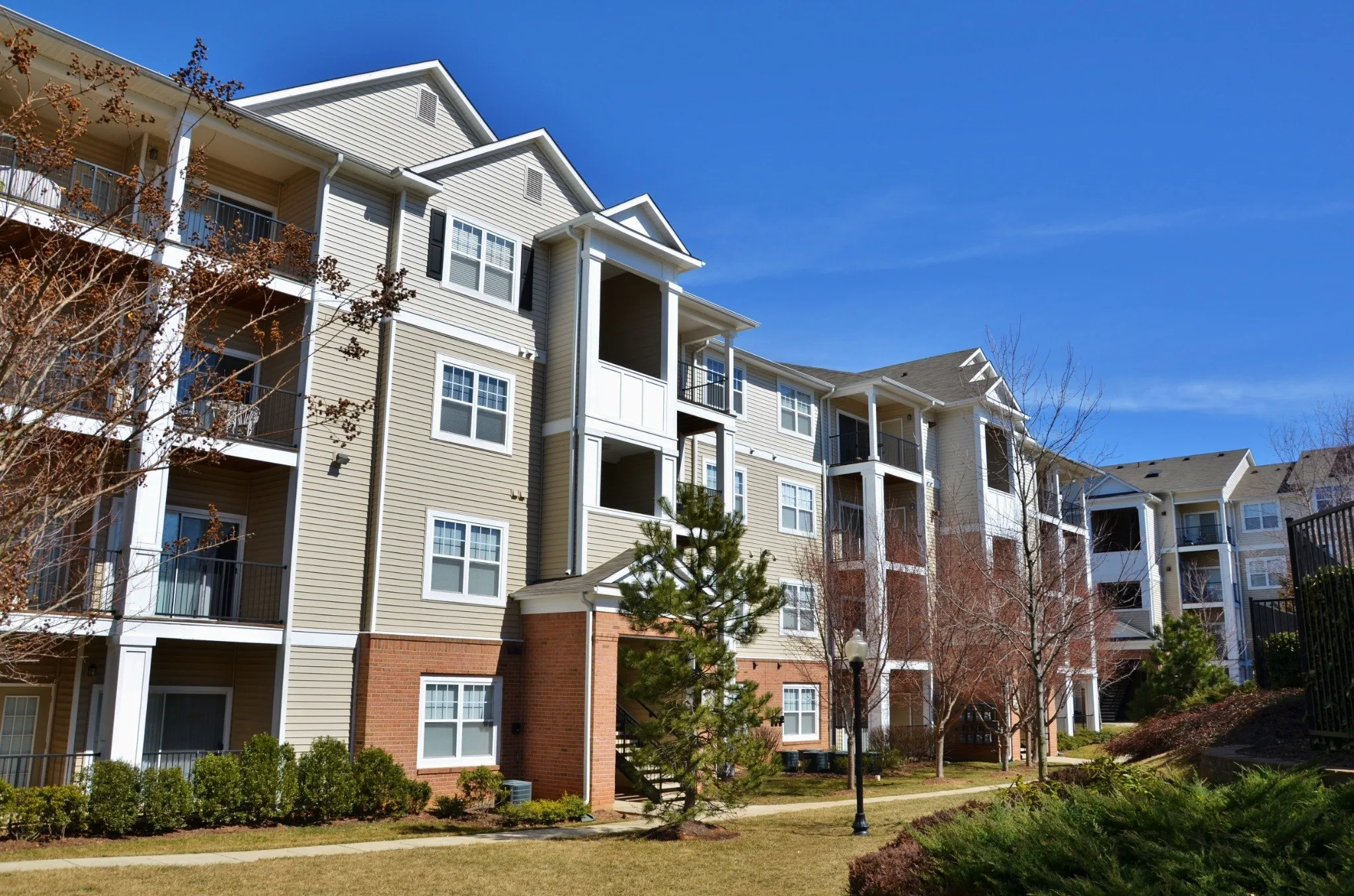
Syndication separates property operations from passive ownership. Investors can gain exposure to larger-scale real estate while an experienced sponsor remains responsible for executing the business plan.
The sponsor identifies the opportunity, negotiates the acquisition, arranges financing, oversees property management and capital projects, communicates with investors and makes major strategic decisions throughout the hold period.
Limited partners contribute investment capital and participate in the economics of the property but generally do not manage day-to-day operations.
Although every offering is different, the investment lifecycle usually follows the same broad sequence.
Investor equity and property-level financing are used to acquire the asset and establish appropriate reserves.
The sponsor and property-management team execute the operating plan, manage expenses and maintain the physical asset.
When appropriate, the business plan may include renovations, operational improvements or other identifiable value-creation initiatives.
Available operating cash flow may be distributed to investors according to the terms of the specific offering.
Capital may ultimately be returned through a refinancing or sale, depending on market conditions and the investment plan.
For the limited partner, the work is concentrated at the beginning: evaluating the sponsor, understanding the asset, reviewing the assumptions and deciding whether the investment fits. Once invested, the role is generally passive.
Laager investments are generally structured to make quarterly distributions from available operating cash flow. Actual timing and amounts depend on property performance and the terms of the offering.
Investors receive regular updates and financial reporting throughout the hold period, with investment documents, reports, distributions and tax materials available through the investor portal.
Most syndicated real estate investments are structured as partnerships for federal tax purposes, with each investor receiving a Schedule K-1 reflecting that investor's allocated share of taxable items.

Income-producing real estate is generally depreciated over time. A professionally prepared cost segregation study can identify qualifying building components and site improvements that may be depreciated over shorter recovery periods than the building itself.
Accelerating eligible depreciation can reduce taxable income allocated to investors in earlier years and may improve the timing of after-tax cash flow. In some circumstances, an investor may receive cash distributions while the taxable income reported on the investment is significantly lower.
Tax consequences vary by investor and can be affected by passive-activity, basis, at-risk and other rules. Depreciation can also have consequences at disposition. Investors should consult their own tax advisers regarding their individual circumstances.
Syndicated real estate is generally illiquid, and investors should be prepared to leave capital invested for the anticipated hold period. During that time, performance is shaped by property operations, financing, market conditions and the sponsor's ability to execute the business plan.
Many Laager investments are underwritten with an expected five-to-seven-year hold, although an individual investment may be realized sooner or held longer depending on circumstances.
The sponsor oversees property management, financing strategy, capital decisions and the eventual timing of a refinance or sale.
A well-structured syndication should make it easy for investors to understand what is being acquired, how the business plan is expected to create value, how the investment is financed and how the sponsor is compensated.
Review Laager's current investment opportunities and the deal-specific materials, assumptions and disclosures for each offering.
This website is provided for general informational purposes only. Nothing on this website constitutes investment, legal, tax or accounting advice, or an offer to sell or a solicitation of an offer to buy any security. Any offering will be made only through the applicable offering documents and only to persons who satisfy the eligibility requirements described in those documents.
Private real estate investments involve substantial risk, are generally illiquid and may result in the loss of some or all invested capital. Past performance is not indicative of future results. Any forward-looking statements, targets or projections are based on assumptions that may not occur.
Tax information is general in nature and is not intended as tax advice. Tax treatment depends on an investor's individual circumstances and applicable law. Investors should consult their own legal, tax and financial advisers before making an investment decision.